Teaching aims to make teaching unnecessary
Guidance should ultimately enable learners to read, think, judge and act independently.
 Ye Shengtao Portalwww.yeshengtao.comRegister
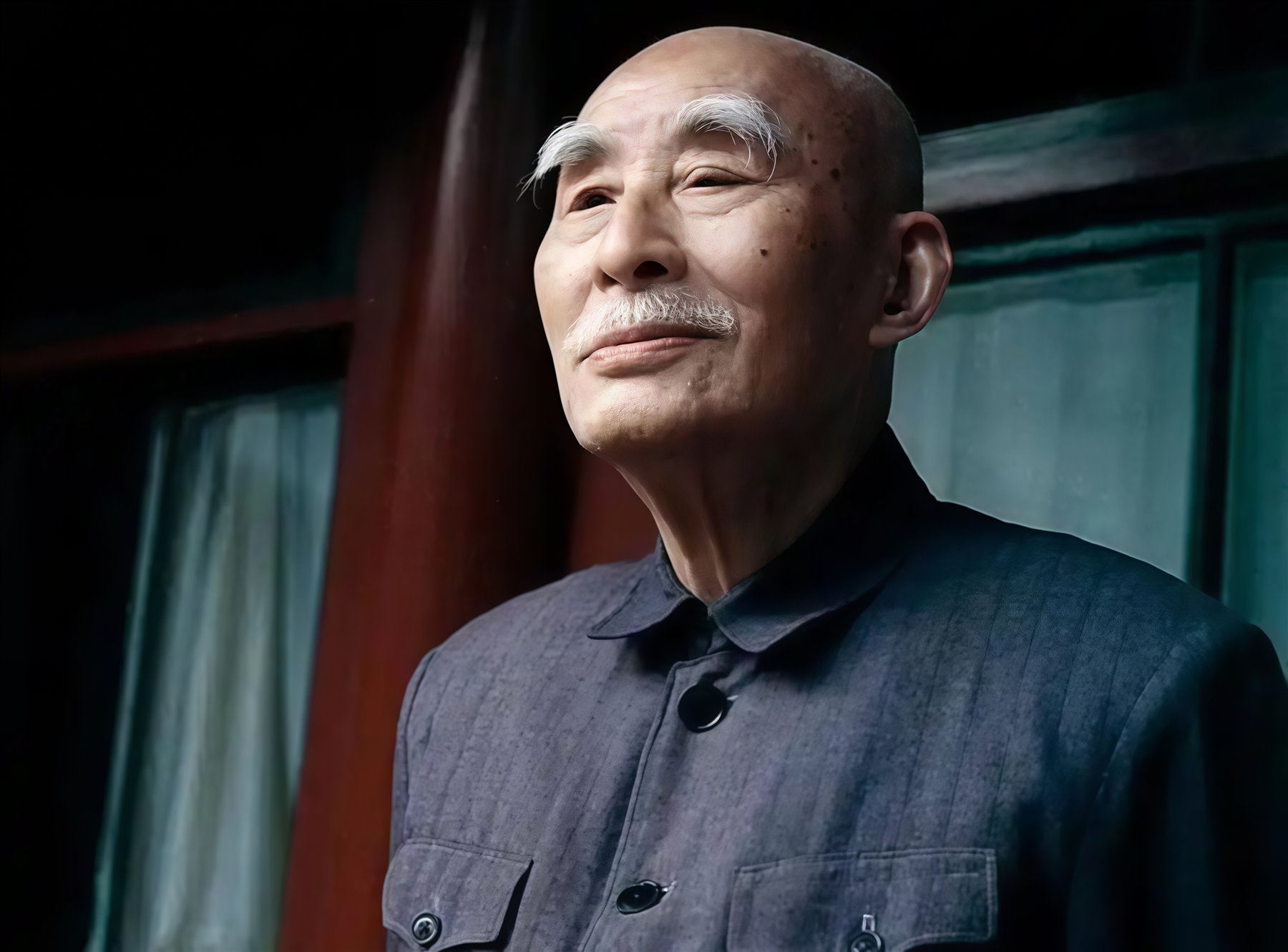
ABOUT YE SHENGTAO · 1894—1988
Educator, writer, editor, publisher and public intellectual whose work across more than seven decades helped shape modern Chinese education and publishing.
A LIFE DEVOTED TO EDUCATION
Ye Shengtao, born Ye Shaojun in Suzhou, was both a major figure in modern Chinese literature and a pioneer of educational publishing in the People's Republic of China.
From classroom reform in Luzhi to textbook editing, and from children's literature to language standardisation, he consistently connected education, reading and writing with real life.
His many professional roles were united by one purpose: to serve readers with precise, honest language and to help people grow through education grounded in respect.
Guidance should ultimately enable learners to read, think, judge and act independently.
Knowledge becomes meaningful when it develops into lasting habits of learning, living and conduct.
Language grows through genuine experience and sustained practice across all four abilities.
Textbooks and literary works should respect language, readers and authentic human feeling.
HISTORICAL IMAGES
These photographs from the People's Education Press exhibition trace Ye Shengtao's early path from young teacher to participant in modern literature and educational publishing.
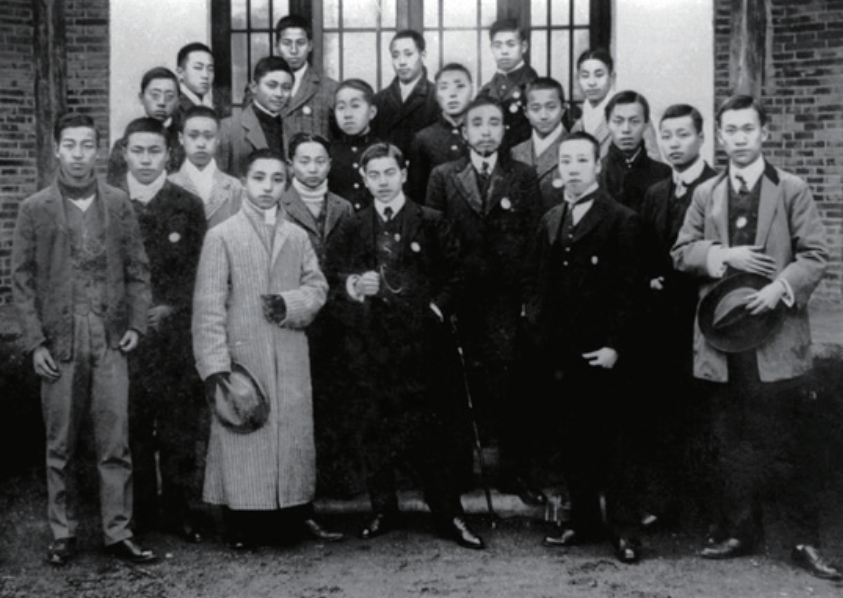
Ye Shengtao, back row at right, with teachers and classmates at graduation
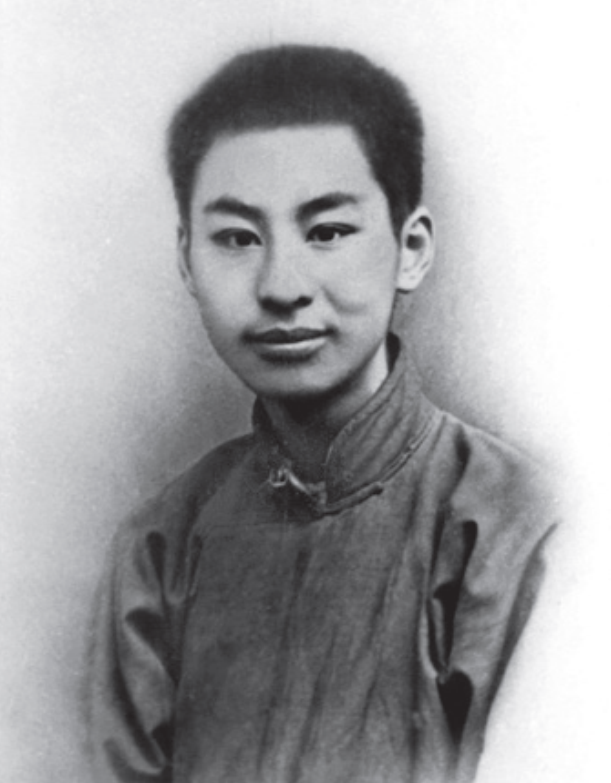
Ye Shengtao during his early years as a teacher
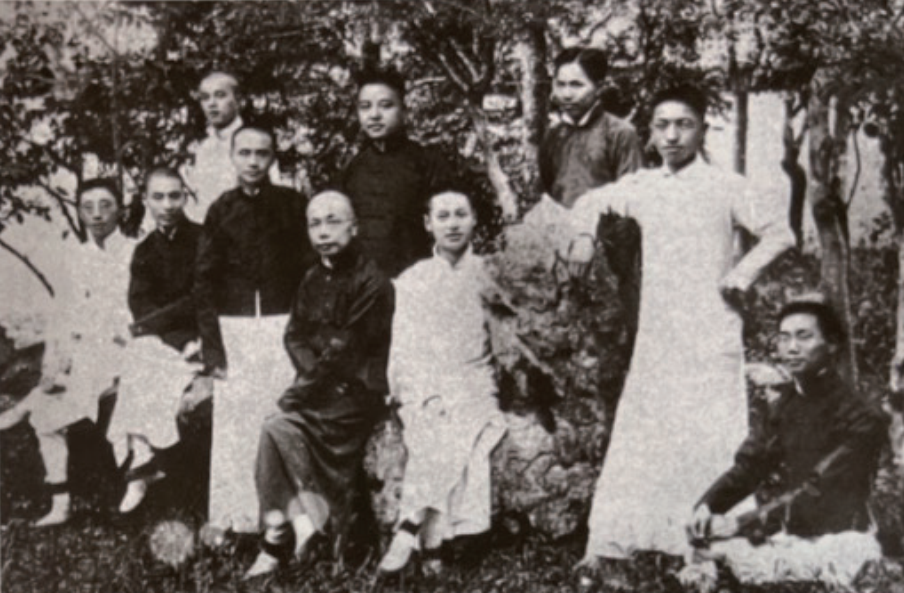
Ye Shengtao, second row at left, with fellow teachers in Luzhi
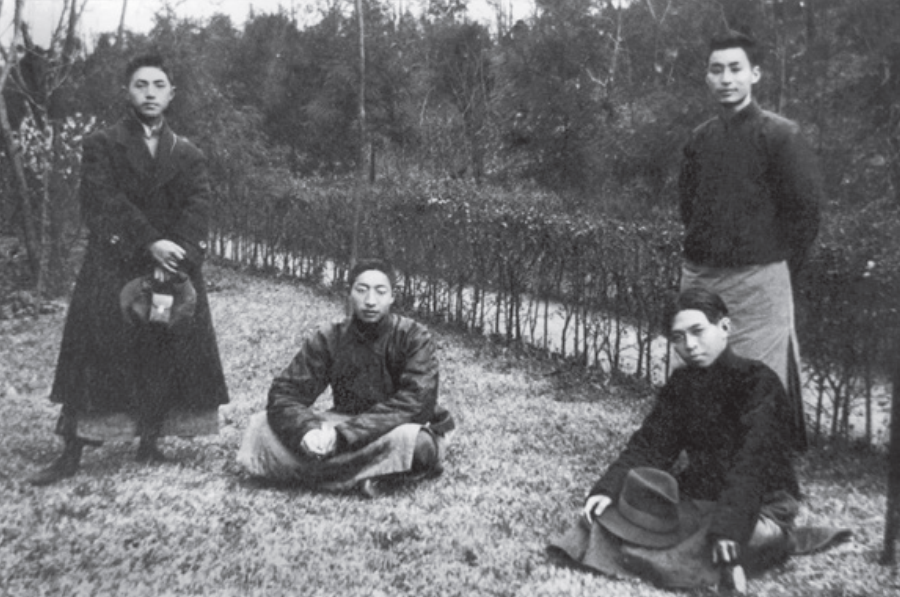
Ye Shengtao, at right, with Zheng Zhenduo, Mao Dun and fellow writers
Source: People's Education Press exhibition commemorating the 130th anniversary of Ye Shengtao's birth
A BRIEF CHRONOLOGY
Key moments across education, literature, publishing and language reform.
Born Ye Shaojun in Suzhou, Jiangsu, on 28 October. The water towns and schools of Suzhou shaped his lifelong engagement with literature and education.
Graduated from Caoqiao Middle School in Suzhou and began teaching at Yanzi Temple Primary School.
Taught in Luzhi, where he wrote teaching materials and introduced a student farm, handicraft classes and a reading room. He later called Luzhi his second home.
Co-founded the Literary Research Association with Mao Dun, Zheng Zhenduo and other writers, helping advance modern Chinese literature.
Joined the Chinese-language editorial department of the Commercial Press and published the fairy-tale collection The Scarecrow.
Worked with Kaiming Bookstore, compiled the Kaiming Chinese Readers, and co-authored influential works on language education with Xia Mianzun.
Became the first president and editor-in-chief of the People's Education Press while serving as deputy director of the General Administration of Publishing.
Contributed to language standardisation, textbook development, punctuation standards and major reference works including the Xinhua Dictionary.
Died in Beijing on 16 February at the age of 94. His writing, teaching and editorial ideals continue to influence generations.
His work remains alive in classrooms, literary reading, the Ye Shengtao Memorial Hall in Luzhi and new digital exhibitions.
FOUR DIMENSIONS
His reforms in Luzhi, language teaching and emphasis on habits all served the complete growth of the learner.
The Scarecrow, The Stone Statue of an Ancient Hero and Ni Huanzhi brought imagination, social observation and human concern into modern literature.
At the Commercial Press, Kaiming Bookstore and People's Education Press, he devoted decades to textbooks, readers and literature.
His work on language standards and reference books made written Chinese clearer, more precise and more useful to society.
SUZHOU · LUZHI
The Ye Shengtao Memorial Hall stands on the former site of the school where he taught in Luzhi. It preserves the memory of his educational experiments and reveals the Jiangnan world behind works such as Three Ginkgo Trees and Over-Collecting Three or Five Dou.
Today, the memorial hall, Wansheng Rice Shop and the water-town landscape form an educational route connecting people, literature, place and student practice.
Visit the source on the Memorial Hall →